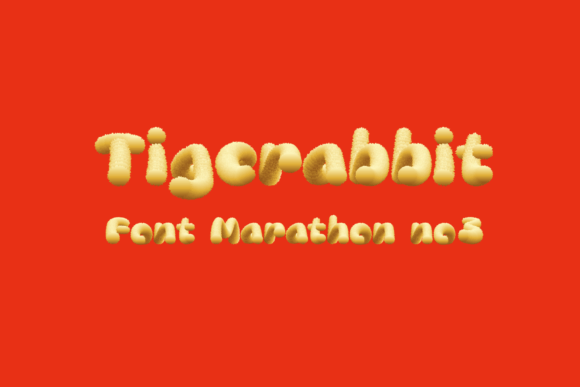
Tigerabbit: Injecting Vibrant Personality into Every Pixel
Every designer knows the frustration of staring at a blank canvas, searching for that one element that will bridge the gap between a "good" idea and a "finished" masterpiece. Often, we get so caught up in the imagery and the layout that we forget the most fundamental building block of communication: the text. Standard fonts like Arial or Times New Roman are safe, certainly, but safety rarely grabs attention. If you are working on a project that demands energy, playfulness, and a bold visual statement, relying on standard typefaces can leave your design feeling flat. This is exactly where the concept of character-driven typography comes into play, and why exploring new, expressive options like the Tigerabbit font can completely transform your creative workflow.
A New Era of Display Typography
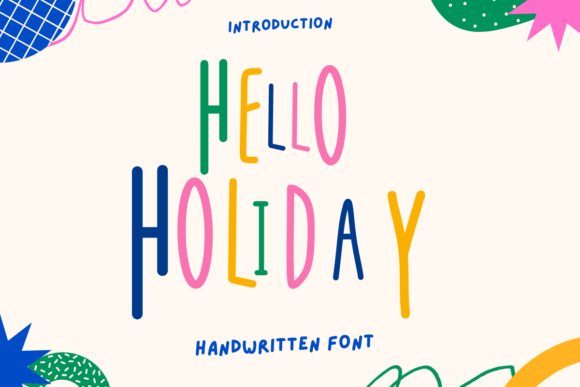
Tigerabbit isn't just another entry in a crowded directory of typefaces; it represents a specific shift toward modern typography that prioritizes emotion over mere legibility. As a premium font, it functions as a display typeface, meaning it is engineered to do the heavy lifting in headlines, logos, and feature text. The defining characteristic of this particular design asset is its status as a color font. Traditional fonts are monochromatic—black text on a white background. Tigerabbit, however, arrives with vibrant, pre-set color palettes embedded directly into the glyph data. This allows you to achieve complex, multi-hued text effects with a single click, bypassing the need for manual layering or clipping masks in software like Photoshop or Illustrator.
Visually, the design walks a fine line between a playful handwritten font and a structured display font. It avoids the chaotic illegibility often associated with script fonts while retaining the warmth of hand-drawn lettering. The strokes are confident, and the color integration feels organic rather than pasted on. This makes it a unique asset for anyone looking to inject a sense of fun and modernity into their work without sacrificing professional polish.
Practical Applications for Modern Creators
Understanding where a font fits into your toolkit is just as important as liking the way it looks. Tigerabbit is versatile, but its specific personality makes it shine in particular environments. If you are a small business owner or a creative entrepreneur, knowing how to deploy this typeface can save you time and elevate your brand presence.
Brand Identity and Logo Design
Your logo is the face of your business. For brands targeting a younger demographic, families, or the creative arts sector, a stiff serif font might send the wrong message. Tigerabbit offers a solution for businesses that want to appear approachable and energetic. Imagine a children’s boutique, a bakery, or a creative agency using this font for their primary wordmark. The integrated color options allow you to match the font directly to your brand’s primary color palette, ensuring immediate visual consistency. It serves as a shortcut to a polished brand identity that feels custom-made.
Digital Marketing and Social Media
In the fast-paced world of social media graphics, stopping the scroll is the primary objective. Standard text often gets lost in a sea of content. Using a bold, colorful typeface like Tigerabbit for Instagram stories, Facebook headers, or YouTube thumbnails can significantly increase click-through rates. Because the font carries its own visual weight, you can often simplify your background designs, leading to cleaner, more effective marketing assets. It is particularly effective for limited-time offers or announcements where you need the text to scream "look at me" without using all-caps.
Packaging and Physical Products
For those in e-commerce, the unboxing experience is a critical part of customer retention. Tigerabbit works beautifully in packaging design, particularly for product labels, hang tags, and thank-you cards. Its playful nature adds a layer of delight to the physical product. If you are selling merchandise like t-shirts, mugs, or stickers, this font can serve as the centerpiece of your graphic design. It translates well to print, provided the resolution is high, and offers a distinct look that separates your products from competitors using generic typefaces.
Strategic Typography: Beyond Just Looks
While the aesthetic appeal of Tigerabbit is obvious, strategic application is what drives results. Good design is about problem-solving, and typography is a tool to solve communication problems. Here is how to approach this font from a strategic perspective.
Matching Font to Project Goals
Before downloading and installing, ask yourself: What is the goal of this project? If you are writing a legal contract or a medical brochure, Tigerabbit is likely the wrong choice. Typography must match the tone of the content. However, if you are designing a birthday invitation, a school newsletter, a podcast cover, or a lifestyle blog header, the font’s personality aligns perfectly with the goal of engaging and delighting the viewer. It is about using the right tool for the right job.
The Art of Font Pairing
One of the most common mistakes in design is using a "novelty" font for everything. Tigerabbit is a star player, but even stars need a supporting cast. To maintain readability and professional presentation, you should pair this display font with a clean, neutral sans serif font for your body text. Fonts like Montserrat, Roboto, or Open Sans provide a calm background that allows Tigerabbit’s vibrancy to pop without overwhelming the reader. This contrast creates a visual hierarchy, guiding the viewer’s eye from the headline to the details.
Readability Considerations
Because Tigerabbit is a display typeface, it performs best at larger sizes. If you try to use it for long paragraphs of body copy at 12pt, the unique characteristics that make it special may become noise, making the text hard to read. Use it for headlines, sub-headers, and call-outs. For body text, stick to highly legible serif or sans serif options. Additionally, since it is a color font, be mindful of the background color. Ensure there is enough contrast between the font’s embedded colors and the canvas behind it to ensure accessibility for all viewers.
Commercial Licensing and Workflow
For designers and entrepreneurs, the technical logistics of a font are just as important as the design. When investing in a premium font like Tigerabbit, it is vital to understand the licensing. Most professional fonts come with specific terms regarding commercial use. You need to ensure that the license covers your intended use, whether that is a logo for a client, print-on-demand merchandise, or digital products sold on Etsy.
Furthermore, check the file formats included. To get the most out of a color font, you will likely need OpenType-SVG format support. Most modern design software (Adobe Photoshop CC, Illustrator CC, InDesign, and even some Canva features) supports this, but it is always worth checking your software version. The workflow is seamless once set up; you simply select the font and type, and the color data appears instantly. This efficiency is a massive asset for content creators who need to produce high-quality visuals quickly.
Final Thoughts on Creative Expression
The landscape of design is constantly evolving, and the tools we use to communicate must evolve with it. Tigerabbit is more than just a collection of colorful letters; it is a statement of intent. It tells your audience that you value creativity, that you are not afraid to stand out, and that you pay attention to the details of your visual communication. Whether you are refreshing your brand identity, launching a new marketing campaign, or simply exploring new creative hobbies, integrating a dynamic color font into your workflow can open up new avenues for expression. By balancing its vibrant energy with solid design principles—like proper pairing and strategic placement—you can ensure your projects are not only beautiful but also effective.