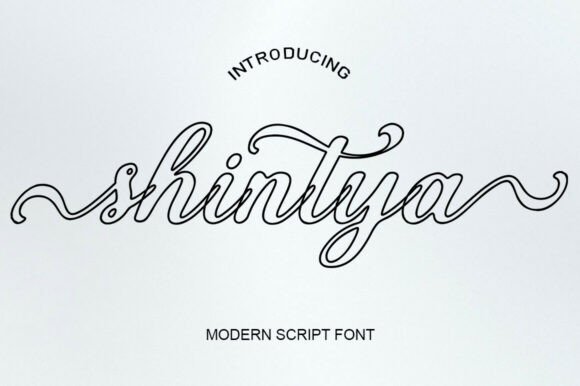
Shintya: The Modern Script Font with an Artisan Soul
There is a specific moment in the design process where the typeface changes the entire mood of the project. You might be laying out a wedding invitation or finalizing the logo for a new boutique, and you hit a wall with standard fonts. They feel too rigid, too digital, or simply too generic to convey the warmth you are aiming for. This is often where the search for a premium font begins—a search for something that feels handmade yet polished. Enter Shintya, a modern script calligraphy font designed to bridge the gap between digital precision and organic, ink-on-paper aesthetics.
Shintya is not just another script typeface; it is a tool built for visual storytelling. Defined by its irregular baseline and a distinctly feminine, trendy style, it captures the fluidity of hand-lettering without sacrificing legibility. For brand strategists and creative entrepreneurs, typography is the voice of the brand. Shintya speaks with a tone that is elegant, approachable, and artistic. It is the kind of font that suggests a human touch is involved in the creation of the product, which is a powerful psychological trigger for consumers looking for authenticity.
Aesthetic Versatility: From Ink to Pixels
One of the most challenging aspects of using script fonts is finding one that works equally well in print and digital mediums. Many handwritten typefaces look charming on screen but turn into a muddy mess when printed on textured cardstock. Shintya was engineered with versatility in mind. It is optimized for both ink and watercolour applications, meaning the letterforms maintain their integrity whether you are printing on high-quality cotton paper for a wedding suite or screen-printing onto merchandise.
The visual personality of Shintya lies in its irregularity. Unlike mechanical fonts where every "a" looks identical, Shintya embraces the nuance of hand-lettering. This irregular baseline creates a dynamic rhythm that guides the eye across the page. It avoids the sterile look of corporate typography, making it ideal for projects that require a creative font with character. However, it remains refined enough to be used in editorial design. Imagine a lifestyle magazine headline or a pull quote in a blog post; Shintya adds emphasis without shouting, drawing the reader in with its charm.
Practical Applications for Modern Creators
Understanding the specific use cases for a typeface is crucial for maximizing its value. Because Shintya is designed with a "trendy and feminine" aesthetic, it fits perfectly into specific market niches where visual appeal drives conversion.
- Wedding Invitations and Stationery: This is Shintya’s natural habitat. The calligraphic style mimics the look of custom hand-lettering, which is highly sought after in the stationery industry. It pairs beautifully with floral motifs and soft colour palettes.
- Branding and Logo Design: For small businesses in the beauty, wellness, fashion, or lifestyle sectors, a logo design using Shintya can instantly communicate elegance. It works well for logos that need to feel personal, such as bakeries, photography studios, or boutique consultancies.
- Packaging Design: In the crowded world of e-commerce, packaging design is the first physical touchpoint with a customer. Using Shintya on labels for candles, skincare, or artisanal foods helps establish a high-end, artisanal perception.
- Social Media Graphics: Content creators often struggle to make their quotes and announcements stand out. Shintya is excellent for social media graphics, particularly on platforms like Instagram and Pinterest where visual hierarchy is key. It draws attention to the main message while maintaining an aesthetic flow.
- Web Design and Blogs: While script fonts should be used sparingly in body text for readability, Shintya is perfect for headers and sub-headers in web design. It adds a layer of sophistication to a blog layout, particularly for travel, fashion, or food bloggers.
Technical Depth: Alternates, Ligatures, and Language Support
A common frustration with decorative fonts is their lack of technical depth. A font might look great in a preview image but fail in real-world application because the letters don't connect properly or the variations are too limited. Shintya addresses this by including a robust set of OpenType features.
The inclusion of initial and terminal letters is a game-changer for design assets. This allows designers to customize the start and end of words, preventing the "cookie-cutter" look where every word begins and ends the same way. When you type a word, you can swap out the first and last letters to create a truly unique composition.
Furthermore, the alternates and ligatures elevate the typography from "digital text" to "art." Ligatures automatically replace specific character combinations (like "th" or "st") with a connected, flowing shape that mimics natural handwriting. This attention to detail ensures that the text reads smoothly. For marketers and designers working on international projects, the multiple language support is essential. You won't have to hunt for a secondary font to handle accented characters; Shintya handles them natively, ensuring visual consistency across all markets.
Strategic Typography: Pairing and Professional Presentation
Choosing the right font is only half the battle; knowing how to use it defines the success of the design. As a display font, Shintya is best used for headlines, logos, and short bursts of text. It is not designed for long-form body copy, which requires high readability standards typically met by serif fonts or sans serif fonts.
To achieve a professional presentation, you must master font pairing. Because Shintya has a high personality quotient, it needs a grounded partner. A clean, geometric sans serif font often works best. The simplicity of the sans serif allows the intricate details of Shintya to shine without creating visual clutter. For example, pairing Shintya with a minimalist sans serif for the date, time, and location on an invitation creates a perfect balance between flair and function.
When testing your pairings, pay close attention to scale. Shintya holds up well at larger sizes where its details are visible. At very small sizes, the irregular baseline might make it harder to read, so use it strategically. This is where the commercial licensing aspect comes into play as well; ensure you have the correct license for the scope of your project, whether it’s for a single client project or a mass-produced product line.
Elevating Brand Identity Through Detail
In a saturated market, the details are what set a brand apart. Consumers are increasingly savvy; they recognize when a business uses default system fonts versus a curated premium font. Investing in a typeface like Shintya signals that a brand cares about its aesthetic and, by extension, its customer experience.
For small business owners, this font offers a way to compete with larger brands that have big design budgets. You can create professional-grade marketing assets—from thank you cards included in orders to email headers and digital product covers—that look cohesive and intentional. This consistency builds brand recognition. When a customer sees that distinctive, flowing script, they immediately associate it with your business.
Shintya is more than just a collection of vectors; it is a design solution for anyone looking to add a touch of modern elegance to their work. Whether you are a hobbyist scrapbooking your memories or a publisher designing a book cover, its blend of technical features and aesthetic charm makes it a versatile addition to any creative toolkit. It allows you to communicate with warmth and style, ensuring your message is not just read, but felt.