Flower Forest: A Font That Brings Your Designs to Life
Imagine holding a bouquet of wildflowers in your hands—each petal slightly different, each stem curling in its own unique way. That’s the feeling you get when you first see the Flower Forest font. It’s not just a typeface; it’s a miniature garden for every letter you type. In a world full of clean, minimalist sans-serifs and elegant serifs, this display font stands out by being unapologetically joyful and detailed. It’s the kind of design asset that can transform a simple project into something memorable, whether you’re crafting a logo for a new bakery or designing the cover of a children’s book.
A Typeface with Personality: Beyond the Standard Alphabet
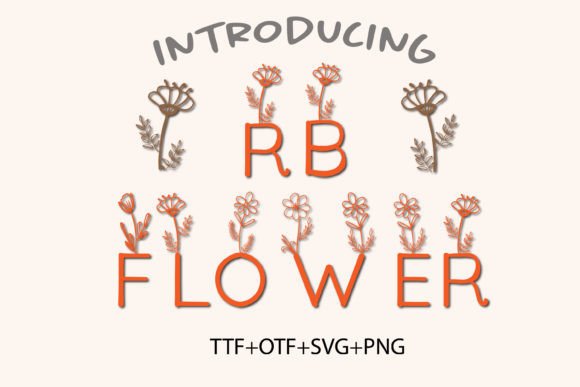
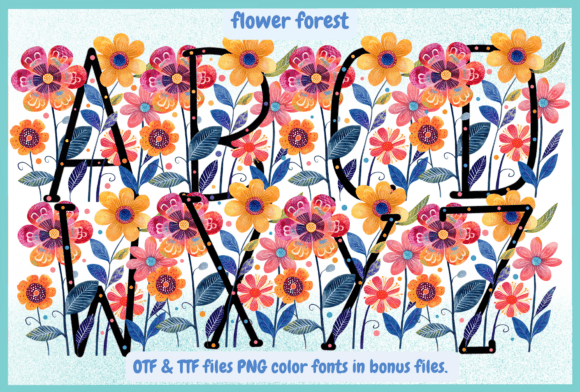
What makes Flower Forest so visually appealing is its intricate, hand-painted aesthetic. Each character is a composition in itself, woven with vibrant flowers, leaves, and foliage. It’s a premium font that feels organic and crafted, rather than mechanically generated. This isn’t a font for body text in a legal document; it’s a creative font designed for headlines, logos, and moments where you want to inject warmth and a nature-inspired aesthetic. The visual consistency across the alphabet is remarkable—even with all the botanical detail, the letters maintain a balanced weight and flow, ensuring they work together as a cohesive set. This careful design means you can spell out names, titles, or short phrases without the letters feeling disjointed or chaotic.
Practical Magic: Where This Botanical Font Shines
So, where do you actually use a font like this? The applications are surprisingly broad, especially for projects that need to connect with an audience on an emotional level. Think about branding for a local florist, a children’s boutique, an organic skincare line, or a wedding planner. The font instantly communicates a sense of care, creativity, and a connection to nature. For logo design, it can become the centerpiece of a visual identity, especially when paired with a simpler sans-serif or serif font for supporting text. Packaging design is another perfect fit—a product label for artisanal honey or herbal tea using Flower Forest will stand out on a shelf, telling a story before the customer even reads the description.
- Social Media & Digital Content: Create eye-catching Instagram graphics, Facebook headers, or Pinterest pins that stop the scroll. It’s perfect for quotes, announcements, or sale promotions for businesses in the wellness, lifestyle, or creative industries.
- Print & Editorial: Use it for event posters, magazine headlines, or chapter titles in a book. It adds a layer of sophistication and whimsy to editorial design.
- Invitations & Merchandise: Wedding invitations, birthday cards, or even custom tote bags and mugs benefit from its charming, celebratory vibe.
- Websites & Blogs: While not for paragraphs, it’s excellent for hero sections, blog post titles, or decorative elements that reinforce a site’s brand identity.
Making It Work: Tips for Effective Implementation
Using a decorative display font effectively requires a bit of strategy. The goal is to enhance your project, not overwhelm it. First, always consider readability. Flower Forest is best used for short bursts of text—think headlines, logos, and call-to-action buttons. For longer sentences or small sizes, pair it with a highly legible sans-serif or serif font. A classic sans-serif like Montserrat or a clean serif like Lora can provide a beautiful contrast, grounding the floral exuberance of Flower Forest.
Next, think about your color palette. The font’s built-in color detail works best when the surrounding design doesn’t fight with it. Neutral backgrounds—creams, soft grays, or even crisp whites—allow the botanical elements to pop. You can also pull accent colors from the flowers in the font itself to create a harmonious brand identity across all your materials. Before committing, always test the font in the context of your actual project. Mock it up on your packaging, your website header, or your social media template. Check how it looks at different sizes and ensure the intricate details remain clear.
Commercial Considerations and Font Pairings
For entrepreneurs and small business owners, licensing is a key practical consideration. Flower Forest is a commercial font, meaning you need to ensure you have the correct license for your intended use, whether it’s for a client project, merchandise for sale, or digital products. Review the license details carefully—most premium fonts have clear terms for different scales of use.
When it comes to font pairing, think of Flower Forest as the star of the show. It needs a supporting cast that doesn’t compete. A simple, modern sans-serif font for subheadings and body text will let the floral details of the display font take center stage. For example, pairing it with a geometric sans-serif creates a nice balance between organic and structured. If you’re going for a more rustic or traditional feel, a classic serif font could work well too. The key is contrast in complexity; let one font be detailed and the other clean.
Ultimately, choosing a typeface like Flower Forest is about telling a story. It’s for the designer, the content creator, or the business owner who wants their project to feel alive, thoughtful, and a little bit magical. It’s a tool for building a brand that doesn’t just sell a product or service, but an experience—one that starts with the very letters on the page.