Christmas Rb: A Font That Brings Joyful Energy to Your Designs
There's something undeniably magnetic about a typeface that makes you smile the moment you see it. That's exactly the reaction Christmas Rb tends to spark—a vibrant, spirited display font that channels warmth, celebration, and a touch of playful nostalgia into every letterform. Whether you're designing a holiday campaign, crafting a brand identity that feels approachable and fun, or creating social media graphics that stop the scroll, this color font offers a visual language that's hard to ignore.
What Makes This Typeface Stand Out
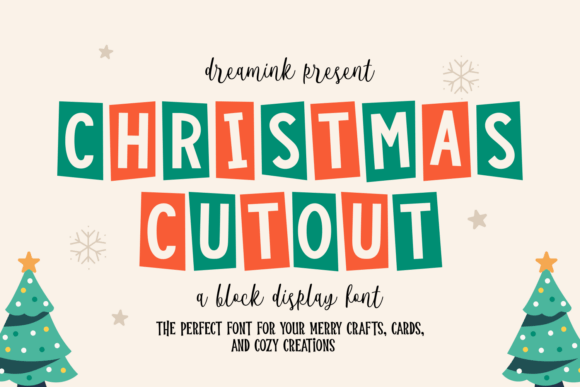
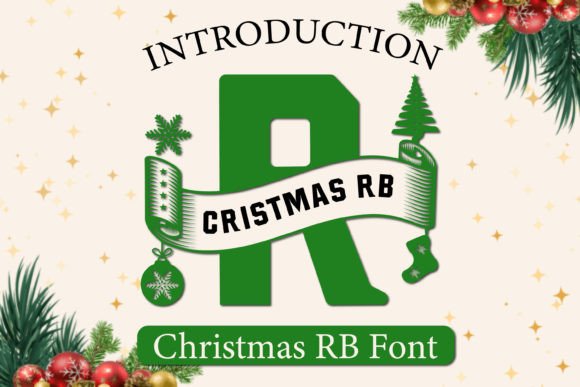
Christmas Rb isn't your typical serif font or sans serif workhorse. It's a display typeface built for moments when you want your typography to do more than just communicate words—you want it to communicate a feeling. The letterforms carry a sense of whimsy and energy that sits somewhere between a modern script font and a bold decorative style. Each character feels hand-crafted with intention, balancing legibility with personality in a way that many creative fonts struggle to achieve.
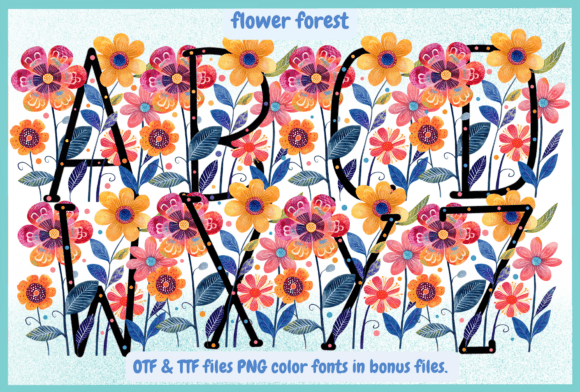
What really sets it apart is its use of color. As a color font, Christmas Rb arrives with built-in chromatic layers that give it depth and dimension straight out of the box. You're not starting with a flat black letter and adding effects later—the vibrancy is baked right in. For designers who spend hours layering gradients and textures onto text, this alone can be a genuine time-saver.
The overall aesthetic leans into festive, celebratory energy without feeling overly seasonal or one-note. Yes, the name nods to Christmas, but the font's visual DNA extends well beyond December. Its cheerful, rounded forms and dynamic color palette make it suitable for any project that calls for optimism and approachability—think children's branding, food packaging, event invitations, or lifestyle blogs.
Where This Font Truly Shines
Understanding where a typeface performs best helps you make smarter design decisions. Christmas Rb is a premium font that thrives in contexts where visual impact matters more than extended body text. Here's a practical breakdown of projects where it fits naturally:
- Logo design and brand identity: If your brand personality skews friendly, youthful, or celebratory, this typeface can anchor your visual identity. It works especially well for boutique brands, seasonal product lines, bakeries, gift shops, and lifestyle companies that want to feel warm and inviting.
- Packaging design: Shelf presence matters. A colorful, distinctive font on packaging can differentiate your product from competitors using generic typography. Christmas Rb's built-in color properties make it particularly effective for food packaging, gift boxes, and specialty retail items.
- Social media graphics: Instagram posts, Pinterest pins, and Facebook ads all demand attention in crowded feeds. A vibrant display font gives your text a visual hook that plain fonts simply can't match. Use it for headlines, quotes, and announcement graphics.
- Wedding invitations and event materials: Beyond commercial branding, this typeface adds a personal, celebratory touch to invitations, save-the-dates, event posters, and party decorations. Its whimsical character feels right at home on paper goods.
- Website headers and blog graphics: While you wouldn't set an entire blog post in a display font, using Christmas Rb for hero sections, pull quotes, or featured image overlays can inject personality into an otherwise minimal web design.
- Merchandise and print-on-demand: T-shirts, mugs, tote bags, and stickers benefit from bold, colorful typography. This font's eye-catching style translates well to physical products where you want designs that pop.
- Marketing assets and editorial layouts: Sale banners, email headers, magazine covers, and promotional flyers all benefit from a typeface that commands attention without sacrificing charm.
Pairing Christmas Rb With Other Fonts
One of the most practical skills in typography is knowing how to combine fonts effectively. A display font like Christmas Rb works best when paired with a more restrained companion typeface. Here's how to approach font pairing for this particular style:
Start with contrast. Because Christmas Rb carries so much visual energy, pair it with a clean sans serif font for body text. Something like a geometric sans or a humanist typeface provides the breathing room your layout needs. The contrast between a playful headline font and a straightforward body font creates visual hierarchy naturally.
Consider the mood match. If your project calls for a slightly warmer tone, a soft serif font can complement the rounded, friendly forms of Christmas Rb without competing for attention. Avoid pairing it with another decorative or script font—two expressive typefaces in the same layout almost always creates visual noise rather than harmony.
Test at multiple sizes. Before committing to a pairing, preview your fonts together at the actual sizes they'll appear. A headline set in Christmas Rb at 48 pixels looks very different from the same font at 120 pixels. Make sure the weight and visual density of your companion font balances the headline appropriately.
Watch your spacing. Display fonts with unique letterforms sometimes need manual kerning adjustments, especially in logo design or large headline settings. Take a few extra minutes to fine-tune the spacing between specific letter pairs. Your audience may not consciously notice perfect kerning, but they'll definitely feel the difference.
Practical Tips for Getting the Most Out of Your Font
Investing in a creative font is just the first step. How you implement it determines whether it elevates your project or falls flat. Here are some grounded recommendations:
Review all included styles and weights. Many premium fonts ship with multiple variations—regular, bold, italic, condensed, or alternate character sets. Before you start designing, open the font specimen or character map and explore what's available. You might discover ligatures, swashes, or alternate glyphs that give you more creative flexibility than you initially expected.
Respect readability boundaries. Display fonts are designed for short-form text—headlines, titles, labels, and callouts. Setting a full paragraph in Christmas Rb would compromise readability no matter how beautiful the letterforms are. Use it strategically where impact matters, and let a simpler typeface handle the heavy lifting of longer content.
Understand the licensing terms. If you're using this font for commercial projects—client work, products for sale, or branded marketing materials—make sure your license covers that use. Most premium fonts offer clear commercial licensing, but it's worth confirming before you invest. This protects both you and the font creator, and it ensures your brand identity rests on legally sound design assets.
Match typography to project goals. Not every project needs a bold, colorful display font. Before choosing Christmas Rb, ask yourself what emotion your design should evoke. If the answer involves joy, celebration, friendliness, or creativity, you're on the right track. If your project demands authority, minimalism, or corporate seriousness, a different typeface will serve you better.
Experiment with color variations. Since this is a color font, explore how it looks against different background colors and textures. A vibrant typeface on a white background reads very differently than the same font layered over a dark photo or a patterned surface. Test a few combinations before finalizing your design.
Bringing It All Together
Typography is one of those design elements that operates on two levels simultaneously. On a functional level, it communicates your message. On an emotional level, it shapes how that message feels. Christmas Rb leans heavily into that emotional dimension—it's a typeface that doesn't just say something but makes people feel something. For designers, marketers, small business owners, and creative entrepreneurs who want their projects to radiate warmth and personality, it's a genuinely useful addition to your font library.
The key is using it with intention. Pair it wisely, apply it where its strengths matter most, and let it do what it does best—turn ordinary text into something that makes people pause, notice, and engage. That's the real power of a well-chosen modern typography asset. It doesn't just decorate your design. It transforms the entire conversation between your brand and your audience.