Pontiac Inline: A Parisian Art Deco Font for Modern Design
Sometimes a design needs a typeface that doesn't just sit quietly on the page but makes a confident, stylish entrance. It needs to carry a sense of history while feeling completely contemporary. This is the space where Pontiac Inline operates, a layered Art Deco font born in Paris that offers a unique blend of vintage charm and modern versatility. Its distinctive inline detail isn't merely decorative; it's a functional feature that opens up a world of creative possibilities for designers, entrepreneurs, and creators looking to inject personality and depth into their work.
A Typeface with Character and Dimension
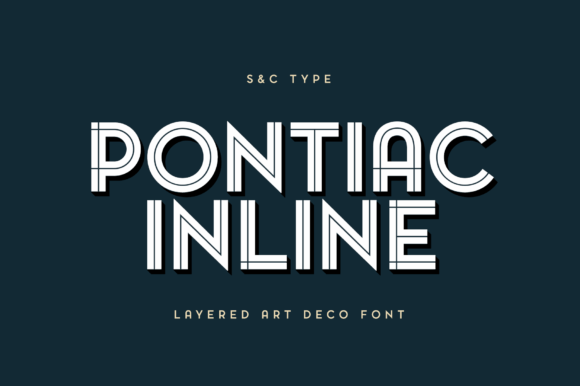
What immediately sets Pontiac Inline apart is its visual structure. Inspired by the geometric elegance and bold optimism of the Art Deco movement, its letterforms are clean and balanced. The defining characteristic is the "inline" element—a delicate line running through the center of each stroke, creating a built-in channel for color and effect. This isn't a standard serif font or a simple sans serif; it's a display typeface designed for impact. The layered nature is key. The font family typically includes a solid version and a separate inline version, allowing you to stack them in compatible software like Adobe Photoshop or Illustrator. Place the Regular layer on top and the Inside line layer below. This simple technique lets you change the color of the inline channel independently, instantly adding a pop of contrast or a subtle accent. You can then apply a drop shadow or a 3D effect to the entire letter, and the inline detail will catch the light, creating a sophisticated, multi-dimensional look that's difficult to achieve with a single-layer font.
Practical Applications Across Creative Projects
The true value of a creative font like Pontiac Inline is measured in its real-world applications. Its retro-modern personality makes it a versatile asset across a surprising range of projects.
- Branding and Logo Design: For brands aiming for a look that's both timeless and fresh, this typeface is a strong contender. It works beautifully for boutique hotels, upscale cocktail bars, vintage-inspired fashion labels, or creative agencies. The inline effect can be used to incorporate a brand's secondary color directly into the logotype, reinforcing visual consistency from the first touchpoint.
- Packaging Design: On shelf, packaging needs to tell a story quickly. Pontiac Inline can elevate product labels for artisanal goods, craft spirits, gourmet foods, or cosmetics. The added dimension from the inline detail suggests quality and craftsmanship, helping a product stand out in a crowded market.
- Social Media and Digital Marketing: In a fast-scrolling feed, thumb-stopping power is everything. Use this font for bold headlines on Instagram graphics, YouTube thumbnails, or promotional banners. Its unique structure is inherently engaging, increasing the likelihood that your audience will pause and read your message. It's also effective for creating cohesive series of digital products, like downloadable planners or templates.
- Print and Editorial Layouts: For posters, magazine covers, or event invitations, Pontiac Inline serves as a stunning display font. It captures attention for headlines and pull quotes. When used for a wedding invitation or a gala program, it sets an elegant, celebratory tone. In editorial design, it can break up the monotony of body text in a serif font or sans serif font, adding visual interest to a publication.
- Merchandise and Environmental Design: Think beyond paper. This typeface can be adapted for apparel graphics, tote bags, or even signage for a physical storefront or event. Its bold forms translate well to embroidery or screen printing, where the inline detail can be interpreted as a separate color layer for a truly custom look.
Choosing and Pairing for Maximum Impact
Integrating a distinctive font like Pontiac Inline into your design system requires a thoughtful approach. Its personality is strong, so using it for long paragraphs of body copy would be overwhelming and harm readability. Instead, reserve it for headlines, subheadings, logos, and other focal points where its character can shine.
The art of font pairing is essential here. To maintain balance, pair it with a highly legible, neutral typeface. A clean sans serif font like a geometric or neo-grotesque style often works exceptionally well, providing a calm counterpoint to the Art Deco flair. Alternatively, a simple, modern serif font can create a sophisticated and classic combination. Avoid pairing it with other highly decorative or script fonts, as this can lead to visual clutter and confusion.
Always consider the context of your project. A sleek tech startup might use the solid, un-layered version for a minimalist feel, while a vintage-themed restaurant could embrace the full layered effect with a color fill. Before committing, test the font at various sizes to ensure the inline detail remains clear and doesn't fill in when used smaller, especially in digital formats. Check what's included in the font package—most premium fonts will offer multiple styles or weights, giving you more flexibility within the same visual family.
Building a Cohesive and Professional Identity
Ultimately, a typeface is a tool for communication. Pontiac Inline, when used strategically, helps build a brand identity that feels curated, professional, and memorable. It demonstrates an attention to detail that audiences subconsciously register as quality. By using this font consistently across your marketing assets—from your website header to your business cards to your social media graphics—you create a visual thread that ties everything together, enhancing brand recognition.
Remember to check the licensing for any font you plan to use commercially. Most foundries offer clear licenses for desktop, web, and app use, ensuring you're legally covered for your creative or commercial projects. Investing in a well-crafted, commercial font like this is an investment in your brand's visual foundation. It provides the consistency needed to look established and the unique flair required to stand out. Whether you're designing a one-off poster or building a comprehensive brand identity, exploring the potential of a layered display font can be the key to unlocking a more dynamic and engaging visual language.