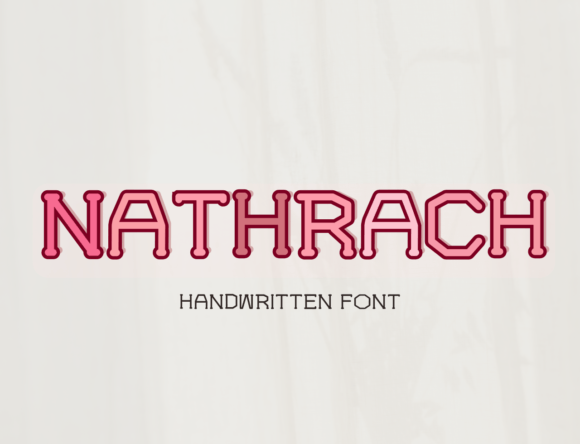
Nathrach: The Sweet Handwritten Font for Every Creative Project
There's a particular warmth that radiates from a handwritten font—the kind of organic, personal touch that digital typefaces often struggle to replicate. Nathrach captures that feeling effortlessly. It's the font you reach for when your project needs to feel approachable, authentic, and just a little bit special. Whether you're designing a logo for a boutique bakery, crafting social media posts for a lifestyle brand, or putting together wedding invitations for a friend, this typeface brings a natural elegance that feels both relaxed and intentional.
What Makes Nathrach Stand Out in a Crowded Font Market
Walk through any font library and you'll find thousands of handwritten options. So what makes this one worth your attention? The answer lies in its balance. Nathrach doesn't try too hard. It doesn't lean into exaggerated loops or overly casual scribbles that sacrifice legibility for style. Instead, it sits in a sweet spot—friendly enough to feel personal, clean enough to remain professional.
The letterforms have a natural flow, with subtle variations in weight and angle that mimic real handwriting without becoming messy. Each character connects to the next with a gentle rhythm, creating words and phrases that feel like they were written by someone with genuinely good penmanship. That quality alone sets it apart from many script fonts that either look robotic or so loose they're difficult to read at smaller sizes.
For designers and business owners who care about brand identity, this matters more than you might think. A font carries personality. It communicates tone before a single word is actually read. Nathrach communicates warmth, creativity, and trustworthiness—qualities that resonate across industries from wellness and beauty to food, fashion, and lifestyle.
Real-World Applications That Actually Work
Let's get practical. Where does a handwritten font like Nathrach genuinely shine? The short answer: almost everywhere, but certain applications benefit more than others.
Branding and Logo Design
If you're building a brand from scratch or refreshing an existing identity, typography is one of your most powerful tools. Nathrach works beautifully as a primary logo typeface for businesses that want to project approachability and authenticity. Think coffee roasters, artisan soap makers, independent bookshops, boutique clothing lines, or personal coaching brands. It pairs especially well with a clean sans serif font for body text, giving you a balanced visual hierarchy that feels polished without being stiff.
Packaging Design
Product packaging is where handwritten fonts can truly elevate a design. Imagine Nathrach on a jam jar label, a candle box, or a skincare product. The font's organic character immediately signals handcrafted quality, even before a customer reads a single ingredient. For small businesses competing on shelves alongside larger brands, this kind of visual storytelling can make a measurable difference in how your product is perceived.
Social Media Graphics and Digital Content
Content creators and marketers know the challenge: standing out in a feed that scrolls faster than anyone can process. A distinctive font choice can stop the scroll. Nathrach works particularly well for quote graphics, Instagram stories, Pinterest pins, and promotional banners where you want text to feel personal rather than corporate. It's the kind of typeface that makes a Canva template feel custom-designed.
Invitations, Cards, and Print Materials
Wedding invitations, greeting cards, event flyers, thank-you notes—these are natural homes for a sweet handwritten font. Nathrach's legibility at various sizes makes it versatile enough for both headline text and shorter body copy on printed materials. If you run an Etsy shop selling printable invitations or stationery, having a reliable script font in your toolkit is practically essential.
Websites, Blogs, and Digital Products
Web design benefits from thoughtful font pairing, and Nathrach slots into many modern website layouts as an accent typeface. Use it for section headers, call-to-action buttons, or featured quotes to inject personality into an otherwise minimal design. Bloggers who create their own graphics will find it especially useful for creating cohesive visual branding across their site and social channels.
Pairing Nathrach with Other Typefaces
No font exists in isolation. The real magic happens when you start combining typefaces, and Nathrach is surprisingly versatile in this regard. Because its personality is warm but not overpowering, it plays well with a range of companion fonts.
For a clean, modern look, pair it with a geometric sans serif. The contrast between the organic script and the structured sans creates visual interest while maintaining readability. If you're going for something more editorial or sophisticated, try combining it with a classic serif font—the interplay between traditional and handwritten can feel incredibly refined when done thoughtfully.
A few practical tips for font pairing:
- Start by choosing your primary font based on the mood you want to set, then select a secondary font that complements rather than competes.
- Limit yourself to two or three typefaces maximum in any single design. More than that tends to look chaotic.
- Test your pairings at multiple sizes. What looks balanced on a desktop screen might feel cramped on a mobile device or overwhelming on a printed poster.
- Pay attention to x-height and letter spacing. Fonts with similar proportions tend to harmonize better than those with dramatically different measurements.
Readability: The Non-Negotiable Factor
Here's something that often gets overlooked in the excitement of finding a beautiful font: readability matters more than style. A gorgeous typeface that people can't actually read defeats its own purpose. This is especially true for body text, product descriptions, and any context where someone needs to absorb information quickly.
Nathrach handles this concern well for a handwritten font. Its letterforms are distinct enough that individual characters remain recognizable even at smaller sizes. That said, it's still a script typeface, which means it's best suited for headlines, short phrases, and accent text rather than long paragraphs. Use it strategically—let it do what it does best, and let a more traditional font handle the heavy lifting of extended reading.
When testing readability, step back from your screen. View your design from a distance. Show it to someone who hasn't been staring at it for hours. Fresh eyes catch problems that yours have learned to ignore.
Licensing and Commercial Use Considerations
If you're planning to use Nathrach for commercial projects—and based on its versatility, many of you will—make sure you understand the licensing terms before committing. Most premium fonts come with specific usage rights that cover things like the number of users, permitted applications (print, web, digital products), and whether the font can be embedded in files you distribute.
For small business owners and freelancers, this is particularly important. Using a font outside its license terms can create legal headaches down the road. Take a few minutes to read the license agreement. If anything is unclear, reach out to the font foundry or distributor for clarification. It's a small investment of time that protects you and your clients.
Some fonts also include multiple styles—regular, bold, italic, or alternate character sets. Check what's included in the package you're purchasing. Having access to additional weights or stylistic alternates can significantly expand your creative options without needing to buy another typeface.
Making the Most of Your Font Choice
Choosing a font is only the first step. How you use it determines the impact it has on your audience. Here are a few final thoughts to help you get the most out of Nathrach or any handwritten typeface you bring into your workflow.
Give it breathing room. Handwritten fonts generally benefit from generous letter spacing and line height. Tight settings can make script typefaces feel cramped and harder to read. A little extra space lets the natural character of the letterforms come through.
Consider color carefully. Nathrach looks stunning in deep, rich tones—think navy, forest green, burgundy, or charcoal—against a light background. It also works beautifully in soft pastels for more delicate applications like baby shower invitations or wellness branding. Avoid placing it over busy backgrounds where the letterforms might get lost.
Be intentional about context. A handwritten font sends a specific message. It says, "This was made with care. This is personal. This brand has a human side." That message works wonderfully for a handmade jewelry shop or a personal blog. It might not be the right fit for a law firm or a financial services company. Matching your typography to your audience's expectations is just as important as matching it to your own aesthetic preferences.
Ultimately, Nathrach is a tool—and like any good design asset, its value comes from how thoughtfully you apply it. Used with intention, it can transform a simple project into something that feels genuinely crafted, memorable, and unmistakably yours.