Maxwell: A Handwritten Font That Feels Like a Conversation
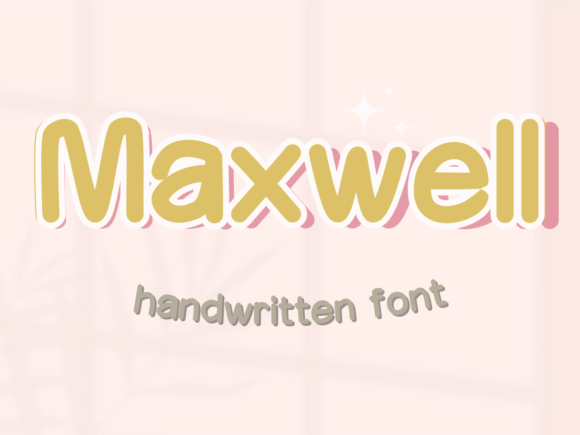
There's a particular kind of warmth that only a handwritten font can bring to a design. It's the difference between a printed invitation and one that feels like it was penned just for you. Maxwell is a sweet and friendly handwritten font that captures this feeling perfectly. Its natural and unique style makes it incredibly fitting to a large pool of designs. The only limit is your imagination! If you're tired of sterile, impersonal typography and want to inject some genuine personality into your work, this creative font might be the missing piece you've been searching for.
The Visual Character of a Handwritten Typeface
What makes a font like Maxwell stand out in a sea of modern typography? It's all in the details. Unlike rigid script fonts that can feel overly formal or difficult to read, Maxwell strikes a balance. Its letterforms have the gentle, irregular flow of actual handwriting, but with enough consistency to remain legible at various sizes. You'll notice slight variations in stroke weight and a natural baseline that avoids looking too perfect or digital. This gives it an authentic, approachable vibe—like a note from a friend rather than a corporate memo.
This quality makes it an excellent choice for projects where you want to establish an immediate connection with your audience. Think about the brands you love that use handwritten elements in their logo design or packaging design. There's an inherent trust and friendliness communicated before a single word is read. Maxwell works beautifully as a display font for headlines or short bursts of text, where its personality can shine without overwhelming the viewer. It pairs wonderfully with clean sans serif fonts for body copy, creating a visual hierarchy that is both engaging and easy to follow.
Where This Creative Font Truly Shines
The real test of any design asset is its versatility. Maxwell isn't just a pretty face; it's a practical tool for a wide range of creative and commercial applications. Let's explore some of the most effective ways to put this handwritten font to work.
Building a Memorable Brand Identity: For small businesses, boutiques, cafes, or personal brands, typography is a cornerstone of identity. Using Maxwell in your logo, on your website headers, or across your social media graphics can instantly set a friendly, artisanal, or approachable tone. It tells customers there's a human behind the business who cares about personal touches. Imagine a bakery using it for its name or a florist for its shop signage—it adds that handcrafted feel.
Elevating Marketing and Digital Content: In the digital space, grabbing attention is everything. Maxwell can make your Instagram quotes, Facebook ads, or Pinterest pins pop. Its unique style helps stop the scroll. It's also fantastic for creating cohesive digital products like printable planners, worksheets, or eBook covers. The font's natural flow can make instructional content feel more like a guided tutorial from a mentor than a dry manual.
Adding Soul to Print and Packaging: The tactile world is where handwritten fonts often feel most at home. Consider using Maxwell for thank-you cards included with orders, for product labels on artisan goods, or for event invitations. It brings a level of care and intentionality that resonates deeply. For editorial design in magazines or lookbooks, it can be used for pull quotes or section titles to add visual interest and break up dense text.
Practical Tips for Working with Maxwell
Getting the most out of a premium font like Maxwell involves a bit of thoughtful application. Here’s some practical advice to ensure your designs look polished and professional.
Readability is Key: While Maxwell is legible, it's best used for shorter text passages—think headlines, subheads, logos, or calls to action. Avoid setting long paragraphs of body copy in any script or handwritten font, as it can strain the reader's eyes. Always test your design at the intended size. What looks great on your large monitor might become a blurry line on a mobile phone screen or a small printed label.
Mastering Font Pairing: The magic often happens in combination. Maxwell pairs exceptionally well with geometric or humanist sans serif fonts (like Montserrat, Open Sans, or Lato). The contrast between the organic, flowing handwritten style and the clean, structured sans serif creates a balanced and professional presentation. For a different feel, you could pair it with a simple serif for a more classic, elegant look. Always test your pairings together in a mock-up before finalizing.
Explore the Included Styles: Many quality handwritten fonts come with more than one weight or style. Check to see if Maxwell includes variations like a bold, light, or italic version. These additional styles give you more flexibility within your design system, allowing for subtle emphasis and hierarchy while maintaining a consistent visual voice.
Understand the Licensing: This is crucial for any commercial project. Before using Maxwell or any commercial font in client work, merchandise for sale, or widely distributed marketing assets, verify the license. Ensure it covers your intended use—whether it's for a single project, an unlimited number of projects, or for creating products for sale. Respecting font licensing protects you legally and supports the designers who create these valuable tools.
Let Your Creativity Lead the Way
Ultimately, the best way to understand a font's potential is to experiment. Download Maxwell, open your design software, and start playing. Try it on a mock-up for a new product launch, draft a social media series, or redesign a header for your blog. Pay attention to how it makes you feel and how it changes the tone of the message. The most successful designs come from a place of authenticity and play. With a versatile and charming typeface like this in your toolkit, you're well-equipped to create work that doesn't just look good, but also feels genuinely connected to the people you're trying to reach.