Bonsai: The Font Duo That Brings Playful Sophistication to Your Designs
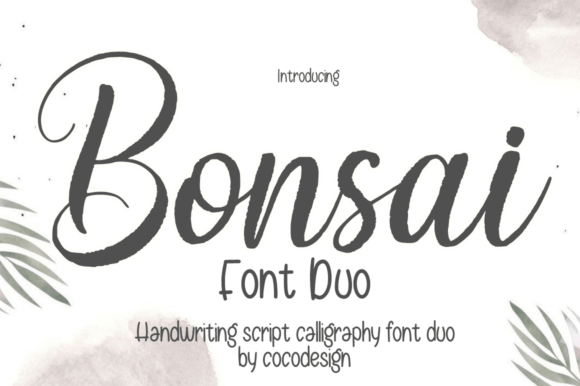
There are moments in design when a single typeface can shift the entire mood of a project. You might be staring at a birthday invitation layout that feels flat, or a social media graphic that lacks that spark of personality. This is where discovering a font like Bonsai becomes more than just adding another file to your library—it becomes a creative turning point. Bonsai isn't merely a typeface; it's a carefully crafted font duo that balances contemporary charm with a vibrant, approachable energy. It captures the warmth of summer days and the delight of playful design, making it a versatile companion for designers, entrepreneurs, and creators who want their work to feel both polished and genuinely engaging.
Understanding the Visual Appeal of Bonsai
What sets Bonsai apart from countless other display fonts is its intentional duality. As a font duo, it pairs two complementary styles—one with a clean, modern serif or sans-serif foundation, and another with a lively handwritten or script accent. This combination allows you to create visual hierarchy effortlessly. The primary style offers readability and structure, while the accent style introduces personality and flair. Think of it as having a reliable workhorse font and a charismatic highlight font in one package. The result is a typeface system that feels cohesive yet dynamic, capable of adapting to projects that range from cheerful children's party materials to sophisticated brand identities.
The visual characteristics of Bonsai lean into rounded edges, balanced proportions, and a sense of movement that feels organic rather than rigid. It avoids the overly whimsical look that can sometimes make handwritten fonts feel childish, instead striking a balance that appeals to adults while retaining a youthful spirit. This makes it particularly effective for brands that want to appear approachable without sacrificing professionalism. Whether you're designing a logo for a boutique bakery, crafting packaging for artisanal goods, or creating social media templates for a lifestyle brand, Bonsai brings a warmth that resonates across demographics.
Practical Applications Across Creative Projects
The true value of a premium font lies in its versatility, and Bonsai delivers on that front with remarkable consistency. Consider branding projects first. A small business owner developing their visual identity needs a typeface that communicates their values at a glance. Bonsai's dual nature allows you to use the cleaner style for headings on business cards and letterheads, while the accent style adds personality to taglines, social media bios, or product labels. This creates a brand voice that feels both professional and memorable—a combination that's essential in crowded markets.
For packaging design, Bonsai shines when you need to convey quality with a personal touch. Imagine a skincare line with minimalist jars where the product name uses the primary Bonsai style, and the descriptive text on the back label uses the handwritten accent. It tells customers that this brand cares about details, that there's a human touch behind the product. Similarly, in editorial layouts—whether for a magazine spread, a blog header, or a digital lookbook—Bonsai helps break the monotony of standard corporate fonts. Pull quotes set in the accent style draw readers' eyes, while body text in the primary style maintains readability.
Merchandise and print-on-demand projects also benefit enormously from a creative font like this. T-shirt graphics, tote bag designs, sticker sheets, and sublimation prints all require typefaces that look bold and legible at various sizes. Bonsai's design considers these practical demands. Its characters maintain clarity whether scaled up for a poster or sized down for a business card. For event materials—think birthday invitations, holiday cards, baby shower announcements, or graduation party flyers—Bonsai injects exactly the right amount of celebration without veering into cliché territory.
How Thoughtful Typography Strengthens Your Brand
Typography choices directly influence how audiences perceive your brand. A mismatched or generic font can undermine even the strongest visual concepts. When you select a typeface that aligns with your brand's personality, you build recognition and trust over time. Bonsai supports this by offering enough variety within its duo structure to maintain visual consistency across touchpoints. Your website headers, email newsletters, Instagram stories, and printed flyers can all share the same typographic DNA, creating a unified experience that reinforces brand identity.
Readability remains a critical consideration, even with decorative fonts. One common mistake is choosing a visually striking typeface that sacrifices legibility, especially at smaller sizes or in body text contexts. Bonsai addresses this by designing its primary style with clear letterforms and generous spacing. The accent style, while more expressive, still maintains enough structure to remain readable in headlines, callouts, and short phrases. This thoughtful approach means you can use Bonsai across digital and print media without worrying about accessibility compromises.
Audience engagement often hinges on emotional connection. Fonts carry psychological weight—rounded, friendly typefaces evoke warmth and approachability, while sharp, angular fonts suggest precision and authority. Bonsai occupies that sweet spot where friendly meets refined. It appeals to parents shopping for children's products, millennials browsing lifestyle brands, and professionals seeking creative services. By choosing typography that resonates emotionally with your target audience, you increase the likelihood that they'll stop scrolling, read your message, and take action.
Making the Most of Bonsai in Your Design Workflow
Before committing any font to a project, test it in context. Create mockups that simulate real-world applications—a product label, a website hero section, a social media carousel. Evaluate how Bonsai performs across these scenarios. Does the accent style complement or compete with your imagery? Does the primary style maintain readability on both light and dark backgrounds? These practical tests reveal whether a font truly serves your project goals or simply looks appealing in isolation.
Font pairing is another area where strategic thinking pays off. While Bonsai functions beautifully as a standalone duo, you might pair its primary style with a neutral sans-serif for body text in longer documents. This creates a clear hierarchy where Bonsai handles headlines and accent text, while a complementary font manages extended paragraphs. Experiment with combinations in your design software, paying attention to x-height, weight contrast, and overall rhythm. The goal is harmony, not competition between typefaces.
Finally, always review licensing terms before using any commercial font in client work or products for sale. Most premium fonts, including quality design assets like Bonsai, come with clear licensing that covers both personal and commercial use. Understanding these terms protects you legally and ensures your investment in quality typography supports your business ethically. A well-chosen font is more than a design element—it's a strategic asset that communicates your brand's values, engages your audience, and elevates every project it touches.