Coloring Book: A Typeface That Captures Pure Creative Joy
There's a particular feeling you get when you crack open a fresh box of crayons—that rush of possibility, the sense that something wonderful is about to happen on the page. The Coloring Book typeface captures exactly that energy and translates it into digital form. This isn't just another display font sitting in your toolkit. It's a personality, a mood, a creative catalyst that transforms ordinary text into something that makes people stop scrolling and actually pay attention.
What Makes This Typeface Stand Out
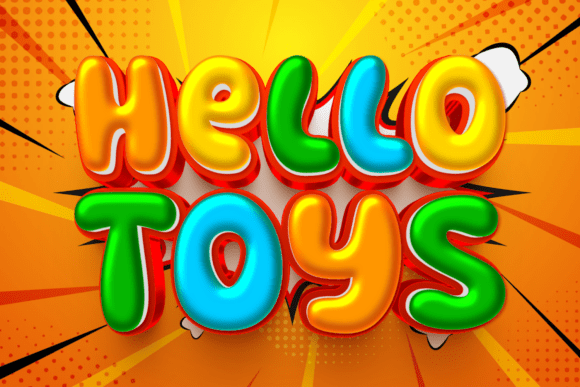
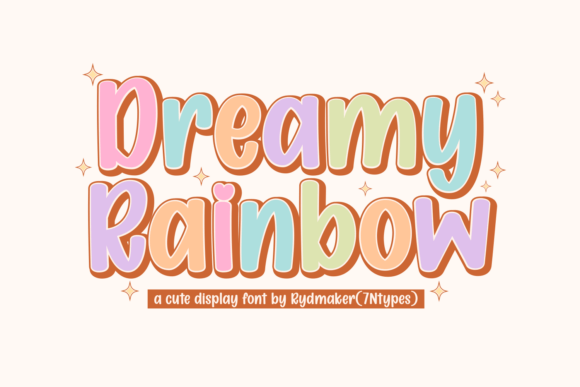
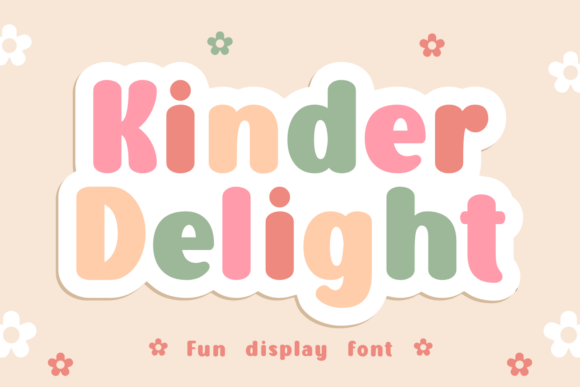
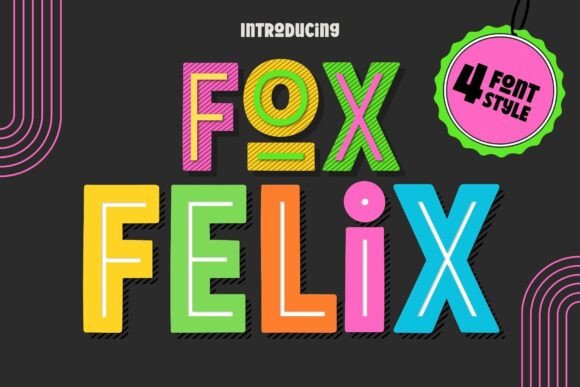
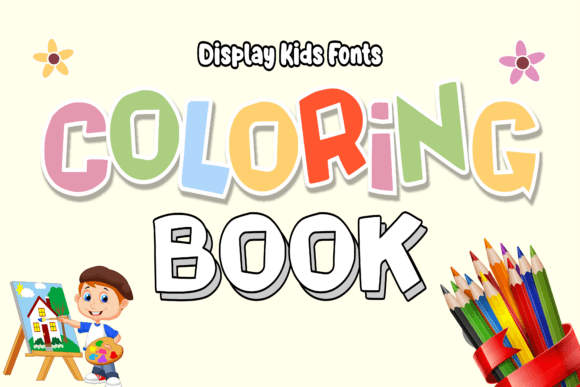
Coloring Book is a cheerful font that brings fun and joy to your projects. With its cheerful style and appearance, this font offers flexibility for a variety of creative endeavors. Let this font add a pop of color and imagination to your designs, suitable for everything from posters, stickers, comics, and more.
But let's dig deeper into what actually makes it work. The letterforms have a hand-drawn quality that feels authentic without being sloppy. Each character carries just enough irregularity to feel human, yet maintains the consistency needed for professional applications. The strokes are bold and confident, which means this typeface holds its own at larger sizes where its personality can really shine. At smaller sizes, the clean construction keeps things legible—a balance that many creative fonts fail to achieve.
The visual weight sits in that sweet spot between playful and polished. It doesn't veer into childish territory, but it also doesn't lose the warmth that makes it approachable. Think of it as the typographic equivalent of a well-designed children's museum exhibit—engaging for kids, but thoughtfully crafted enough that adults appreciate the design thinking behind it.
Where Coloring Book Truly Excels
The real test of any creative font isn't how good it looks in a specimen sheet. It's how it performs across actual projects. Here's where this typeface consistently delivers.
Branding and Logo Design: If you're building a brand identity for something that needs to feel welcoming, creative, or fun, Coloring Book deserves serious consideration. Think children's clothing lines, craft supply companies, indie bakeries, toy shops, or creative agencies that want to signal they don't take themselves too seriously. The font does heavy lifting in logo design because its personality is immediately recognizable without relying on elaborate graphic elements.
Packaging Design: Shelf presence matters. When a customer is scanning a crowded aisle, packaging that uses a distinctive display font like this one can create that crucial moment of recognition. It works particularly well for snack brands, stationery products, artisan goods, and anything targeting families or creative consumers.
Social Media Graphics: Platforms like Instagram and Pinterest are visual battlegrounds. A bold, personality-rich typeface stops thumbs mid-scroll. Use Coloring Book for quote graphics, sale announcements, story templates, or any content where you need text to function almost like an illustration. The inherent energy of the letterforms adds visual interest even when you're working with minimal design elements.
Print Materials and Posters: Event posters, flyers, children's book covers, comic-style layouts, zines—this is where the font feels most at home. The slightly textured, hand-lettered aesthetic translates beautifully to print, especially on uncoated stocks where that organic quality gets enhanced by the paper's texture.
Merchandise and Invitations: T-shirts, tote bags, mugs, birthday invitations, baby shower announcements. The applications where people want to convey celebration, creativity, or lightheartedness are exactly where this typeface earns its place in your design assets collection.
Digital Products and Marketing Assets: Course graphics, ebook covers, email headers, website banners, landing page headlines—any digital touchpoint where you want personality without sacrificing clarity. As a premium font, it brings a level of polish that free alternatives typically can't match.
Pairing and Practical Considerations
No font exists in isolation. The strongest designs use typography strategically, which means thinking about how Coloring Book interacts with other typefaces in your layout.
Because it's a bold display font with strong personality, it pairs best with something quieter. A clean sans serif font for body text creates a natural hierarchy—Coloring Book handles headlines and pull quotes while the supporting typeface manages longer passages. You might also consider pairing it with a simple serif font if your project calls for a slightly more traditional feel alongside the playful headline treatment.
A few practical tips for getting the most out of this typeface:
- Test at your actual output size. What looks perfect at 72 points on screen might need tracking adjustments at 24 points in print. Always preview at the size your audience will actually see.
- Watch your spacing. Hand-drawn and display fonts sometimes need manual kerning adjustments, especially in logo work where every pixel counts. Don't rely entirely on default spacing.
- Consider your color palette. This font has enough visual weight that it pairs beautifully with bold, saturated colors. Pastels work too, but make sure there's enough contrast for readability.
- Review all included styles. Many premium fonts come with alternates, ligatures, or multiple weights. Exploring these options before settling on your final design can unlock possibilities you might otherwise miss.
- Don't overuse it. A headline font used for every piece of text on a page becomes exhausting. Reserve it for moments where impact matters most.
Licensing and Long-Term Thinking
If you're considering Coloring Book for commercial projects—and given its versatility, you probably should be—take a moment to understand the licensing terms. Commercial font licensing varies significantly between foundries. Some licenses cover unlimited projects for a single designer. Others are priced per project or per user. For small business owners and entrepreneurs who plan to use a typeface across branding, packaging, social media, and print materials, an extended or commercial license often makes more financial sense than purchasing multiple limited licenses over time.
This matters because typography is one of those design decisions that compounds. The font you choose for your brand identity today will appear on your website, your packaging, your social media graphics, your business cards, and your marketing materials for years. Investing in a quality typeface with clear licensing terms protects you legally and ensures visual consistency across every touchpoint where customers encounter your brand.
The Bigger Picture
Good typography does more than make words readable. It shapes perception, builds recognition, and creates emotional connections. When someone sees your brand's headline set in Coloring Book, they're absorbing information beyond the words themselves. They're feeling the energy, the creativity, the approachability that the letterforms communicate before they've even processed the actual message.
That's the real value of choosing the right typeface for your project. It's not about following trends or picking something that looks cool in isolation. It's about finding a font whose personality aligns with what you're trying to communicate—and then using it consistently enough that it becomes part of your visual language.
For designers, marketers, content creators, and business owners who want their projects to feel genuinely joyful and creatively charged, this typeface offers something increasingly rare in modern typography: character without compromise. It's distinctive enough to be memorable, versatile enough to work across media, and crafted well enough to hold up in professional contexts. That combination is worth celebrating—and worth building around.