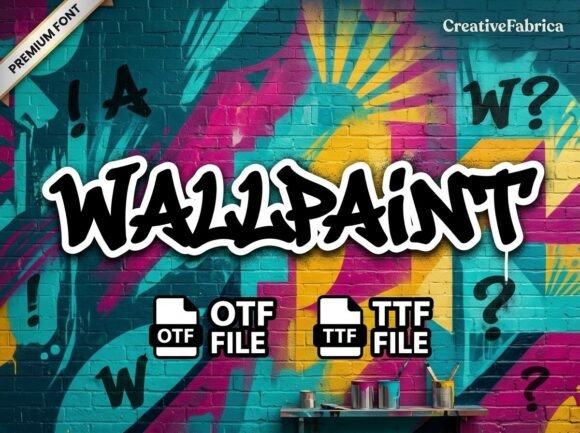
Wallpaint: Capturing the Pulse of Urban Art in Your Typography
There is a specific kind of energy that radiates from a freshly painted wall in a gritty city alleyway. It’s not just about the color; it’s about the attitude, the raw texture of the paint, and the boldness required to leave a mark. If you’ve ever tried to capture that specific, high-octane vibe in a digital design, you know how difficult it can be. Standard fonts often feel too sterile, too clean, and too corporate. They lack the soul of the streets. That is precisely where Wallpaint enters the conversation. It isn’t just a typeface; it is a visual translation of underground culture, built for designers who need their work to shout rather than whisper.
The Anatomy of a Street-Ready Typeface
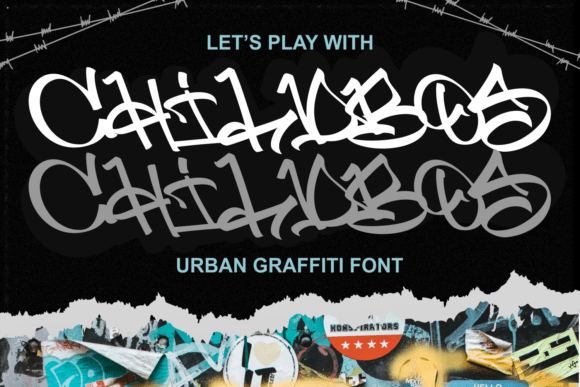
At its core, Wallpaint is a premium display font, but describing it merely as a "font" feels like calling a mural just "paint." The design is heavily steeped in the traditions of Chicano hand-lettering and the fat-cap spray paint style synonymous with golden-era hip-hop and skate culture. When you type with Wallpaint, you aren't getting rigid, geometric vectors. Instead, you are engaging with thick, fluid marker strokes that mimic the natural resistance of a chisel-tip marker or a spray can held too close to the surface.
The defining characteristic of this typeface is its relaxed, continuous script flow. The letters connect in a way that feels organic, as if the writer never lifted their hand from the brick wall. However, what truly sets this graphic design asset apart is the technical execution of the outline. Bounded by a bold, high-contrast outer white drop-contour, every letter is designed to pop. This isn't just an aesthetic choice; it is a functional necessity in typography. This white contour acts as a buffer, creating immediate separation between the text and the background.
Cutting Through the Noise: Legibility in Complex Environments
One of the biggest challenges in modern typography is maintaining readability when the background is busy. We often see designers struggle to place text over photographs, abstract digital art, or textured surfaces. Usually, this requires adding a solid box behind the text or blurring the background image, which can ruin the composition.
Wallpaint solves this problem through its structural integrity. The font is engineered to cut through complex, high-density backgrounds with absolute legibility. Imagine placing text over a chaotic brick wall mural, a colorful abstract splash, or a busy urban paint spray graphic. Because of the heavy weight of the letters and that signature white drop-contour, the text remains front and center. It floats above the chaos. This makes it an exceptional powerhouse choice for situations where visual noise is high and attention spans are short. For a digital marketer or a social media manager, this means you can create dynamic, layered graphics without sacrificing the clarity of your message.
Real-World Applications: From Streetwear to Digital Interfaces
Understanding the technical specs of a typeface is one thing, but knowing how to deploy it in the real world is where the value lies. Wallpaint is a versatile tool for specific niches, particularly those catering to a younger, edgier, or more culturally aware demographic.
Apparel and Merchandise: If you are building an alternative streetwear brand, typography is your primary voice. Wallpaint is the perfect fit for t-shirt graphics, hoodie prints, and skateboarding merchandise. It provides that authentic, DIY aesthetic that resonates with the skating and hip-hop communities without looking amateurish.
Music and Entertainment: The font screams rhythm. It is an ideal choice for hip-hop music album sleeves, Spotify playlist covers, and digital gaming thumbnails. If you are designing a title card for a YouTube video or a thumbnail for a Twitch stream, this font grabs the eye instantly in a crowded feed.
Promotional Materials: When it comes to event promotional poster titles, you need impact. Whether it’s a local gig, a skate competition, or a street art festival, Wallpaint provides the headline punch that gets people to stop and read the details.
Integrating Wallpaint into Your Brand Identity
Choosing a creative font is a significant decision in the process of building a brand identity. You want a typeface that not only looks cool but also communicates your brand values. Wallpaint communicates rebellion, creativity, and authenticity.
However, because Wallpaint is a high-impact display font, it needs to be used strategically. It is not designed for long blocks of body copy; reading 500 words in a continuous script style can be exhausting for the eyes. Instead, think of it as the "voice" of your headlines, logos, and call-to-action buttons.
Logo Design: A logo needs to be memorable. Using Wallpaint for a wordmark logo gives a brand an immediate personality. It suggests that the brand is approachable, creative, and perhaps a bit non-conformist. It works exceptionally well for creative agencies, recording studios, or boutique coffee shops with an industrial vibe.
Packaging Design: In a retail environment, shelf presence is everything. If you are designing packaging for a product like craft beer, hot sauce, or skate wax, Wallpaint can drive the visual hierarchy. It tells the customer immediately that this product has character.
Editorial and Web Design: For bloggers and web designers, using Wallpaint for pull quotes or section headers can break up the monotony of standard sans-serif body text. It adds a layer of visual interest and personality to a layout, making the reading experience more engaging.
The Art of Font Pairing and Hierarchy
To get the most out of Wallpaint, you have to consider what it sits next to. In typography, contrast is king. Because Wallpaint is heavy, textured, and expressive, it pairs best with something quiet and structured.
A clean sans serif font is usually the best companion. Think of fonts like Helvetica, Roboto, or Open Sans for your body text. The simplicity of the sans-serif allows the complexity of Wallpaint’s brush strokes to shine without competing for attention. Avoid pairing it with other ornate script fonts or overly decorative serif fonts, as this will create visual clutter and make your design look messy.
Furthermore, consider the color dynamics. While the font comes with a white contour, you can experiment with the fill color. High-contrast colors like electric blue, neon green, or stark red against dark backgrounds amplify the street energy. Conversely, using a matte black on a textured kraft paper background can create a sophisticated, vintage streetwear aesthetic.
Practical Considerations for Commercial Use
Before you finalize a project, it is vital to review the specifics of your design assets. When you acquire a premium font like Wallpaint, you are usually paying for a commercial license. This is crucial for entrepreneurs and small business owners. Ensure you understand the licensing terms—whether it covers unlimited print runs, digital usage, and web embedding (WOFF files).
Also, take the time to explore the full character set. High-quality fonts often include stylistic alternates, ligatures, and swashes. These features allow you to customize the look of specific letters so that your typography feels truly hand-tagged and unique, rather than repetitive. Testing these features in your specific design software (like Adobe Illustrator or Photoshop) before production ensures that the flow of the text looks natural.
Ultimately, Wallpaint is more than just a collection of vectors; it is a tool for visual storytelling. It bridges the gap between the raw energy of the streets and the polished demands of digital design. Whether you are launching a clothing line, designing a poster for a local event, or crafting a logo for a new creative venture, this typeface offers a bold, legible, and undeniably cool way to make your mark.