Artesana: A Typeface That Feels Like It Was Made by Hand
There’s something undeniably magnetic about objects that bear the mark of human hands—the slight asymmetry of a hand-thrown ceramic bowl, the rich, imperfect brushstroke on a painted tile, the warmth of something crafted rather than generated. That same feeling lives inside the Artesana typeface. Inspired by Mexico’s folk art traditions, this font doesn’t just sit on a page; it radiates personality, heritage, and the kind of authenticity that’s hard to fake. If you’ve been searching for a typeface that tells a story the moment someone reads it, Artesana might be exactly what your next project needs.
Where Tradition Meets Modern Design Needs
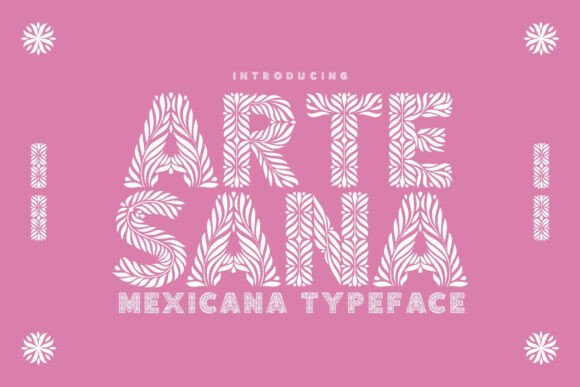
Artesana is a display typeface rooted in the visual language of Mexican artisanal craft—think painted Talavera pottery, embroidered textiles, and the intricate patterns found on hand-carved wood. Its letterforms feature organic curves, decorative terminals, and subtle flourishes that echo the work of skilled craftspeople. But here’s what makes it genuinely useful: it achieves this folk-inspired character without sacrificing legibility. That balance is harder to find than you might think. Many decorative or script fonts look beautiful in isolation but fall apart the moment you try to set a headline, a product name, or a social media caption with them. Artesana holds together. The characters feel cohesive, the spacing is intentional, and the overall rhythm of the typeface supports actual communication—not just decoration.
For designers, this means you can lean into the cultural richness without worrying that your audience will struggle to read your message. For small business owners or content creators, it means you get a font with built-in personality that doesn’t require extensive design experience to use effectively.
Practical Applications That Go Beyond Aesthetics
Knowing a font looks good is one thing. Understanding where and how to use it is where the real value lives. Artesana’s handcrafted warmth makes it a strong candidate for projects where you want to convey authenticity, tradition, or artisanal quality.
Branding and Logo Design: If your brand identity centers on handmade goods, organic products, cultural storytelling, or artisan craftsmanship, Artesana can serve as the cornerstone of your visual language. A logo set in this typeface immediately signals that your business values care and tradition over mass production. It works especially well for bakeries, ceramics studios, boutique food brands, florists, craft breweries, and independent makers.
Packaging Design: Think about the last time you picked up a product purely because the label caught your eye. Fonts like Artesana create that moment. Its decorative strokes and folk-inspired detailing add shelf appeal, especially for products in the food, beauty, or home goods space. Set a product name in Artesana and pair it with a clean sans serif for the ingredient list, and you’ve got packaging that feels both distinctive and professional.
Social Media Graphics: Standing out in a crowded feed requires visual personality. Artesana works beautifully for Instagram quotes, Pinterest pins, promotional graphics, and story templates. Its character-rich design grabs attention without relying on bright colors or busy backgrounds. A simple, well-composed graphic with Artesana as the headline font can stop a scroll.
Invitations and Event Materials: Wedding invitations, festival posters, dinner party menus, cultural event promotions—anywhere you want to evoke celebration and artistry, this typeface delivers. Its warmth makes it particularly well-suited for occasions that feel personal and intentional.
Website Headers and Blog Design: While Artesana isn’t designed for long-form body copy, it shines as a heading or hero text font on websites. Pair it with a readable serif or sans serif for paragraphs, and you create a visual hierarchy that feels layered and intentional. This approach works well for lifestyle blogs, artisan marketplaces, travel sites, and recipe blogs.
Editorial Layouts and Print Materials: Magazine features, lookbooks, zines, and printed brochures benefit from fonts that carry emotional weight. Artesana can set the tone for an entire spread when used for pull quotes, section headers, or feature titles. Its handmade quality adds tactile warmth to printed pieces, which is especially valuable in an increasingly digital world.
Merchandise and Digital Products: Tote bags, mugs, posters, stickers, digital planners, printable wall art—Artesana’s versatility extends to physical and digital products alike. If you sell on platforms like Etsy or run your own online shop, a font like this can help your products feel curated and intentional.
Making Typography Work for Your Brand
Choosing the right typeface isn’t just about personal taste—it’s about alignment with your project’s goals and audience. Here are some practical considerations when working with Artesana or any premium font in your design toolkit.
Match the font to the message. Artesana communicates warmth, tradition, and craftsmanship. If your brand is sleek, minimalist, or corporate, it probably isn’t the right fit. But if your audience values handmade quality, cultural connection, or artisanal storytelling, this typeface speaks their language fluently.
Test font pairings before committing. A display font like Artesana rarely works alone. You’ll need a supporting typeface for body text, captions, and smaller UI elements. Try pairing it with a neutral sans serif like a geometric or humanist style, or a clean serif for a more classic feel. The contrast between Artesana’s decorative character and a simpler companion font creates visual interest while maintaining readability.
Pay attention to readability at different sizes. Decorative fonts can lose clarity when scaled down. Test Artesana at the actual sizes you plan to use it—on a mobile screen, a printed label, a poster from ten feet away. Its design holds up well, but it’s always worth checking in context.
Review the full character set. Before you start designing, explore what’s included. Many premium fonts come with alternate characters, ligatures, and stylistic sets that give you additional creative options. Artesana’s handcrafted nature means these extras can add meaningful variation to your designs—useful for logos, headlines, and display text where you want each word to feel carefully composed.
Understand the licensing. If you’re using Artesana for commercial projects—client work, products for sale, or branded marketing materials—make sure you have the appropriate license. Most premium fonts offer different tiers for personal versus commercial use. It’s a small detail that protects you legally and supports the designers who create these tools.
Building Visual Consistency Across Touchpoints
One of the most overlooked aspects of branding is consistency. When your website looks like one business, your packaging looks like another, and your social media looks like neither, potential customers get confused. Confusion erodes trust. A well-chosen typeface like Artesana can anchor your entire visual identity across every touchpoint—from your logo to your email headers to your printed receipts.
The key is restraint. Use Artesana where it has the most impact—headlines, logos, featured text—and let a complementary typeface handle the supporting roles. This approach gives your brand a recognizable voice without overwhelming your audience with decorative elements. Think of it as a signature, not a monologue.
When every piece of your visual communication carries the same typographic DNA, your brand starts to feel cohesive and intentional. Customers recognize you faster. Your materials look more professional. And the cultural richness embedded in Artesana’s design becomes part of your brand’s story—a story that feels authentic, rooted, and unmistakably yours.